


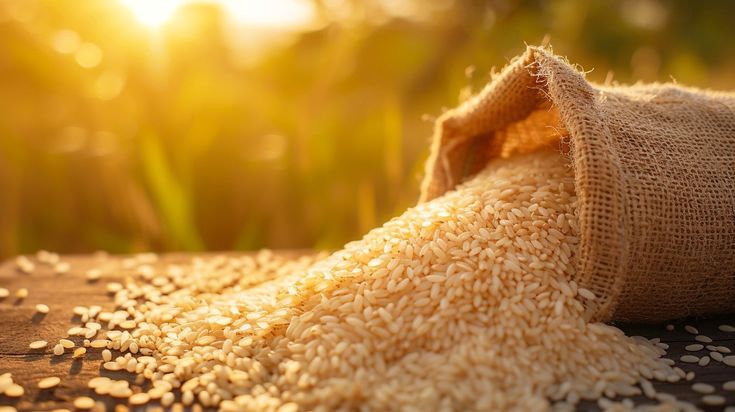
History of Rice: Origin, Global Spread, and Introduction to Iran
Origin and Varieties of Rice
Rice is one of the oldest grains in the world, cultivated over 8,000 years ago in Asia. Its two main varieties are:
-
Oryza sativa: Asian variety, originating in China and India
-
Oryza glaberrima: Native African variety
The first cultivation of rice began in China and India and gradually spread to Southeast Asia.
History of Rice in China and India
-
China: Around 6,000 years ago, rice was cultivated in the Yangtze River Delta and served as a staple food. Advanced irrigation techniques and terraced fields made rice the primary diet for millions.
-
India: Rice was grown in both northern and southern regions and held a special place in culture and rituals.
Spread of Rice to Southeast Asia
Rice spread through trade and migration to Southeast Asian countries such as Thailand, Vietnam, Indonesia, and the Philippines. Complex irrigation systems and terraced rice fields made rice a fundamental part of the diet in these regions.
Introduction of Rice to the Middle East and Iran
Rice was brought to the Middle East and Iran by Arab traders from India and China.
-
Iran: Rice cultivation began in the 8th century AH and especially spread in northern provinces such as Gilan and Mazandaran.
-
In Iran, rice became an inseparable part of people’s diet and culture.
Introduction of Rice to Europe and America
-
Europe: Rice entered through Italy and Spain, gaining a prominent place in Mediterranean and Italian cuisine.
-
America: Rice was brought by colonizers and African slaves to southern states such as South Carolina and Louisiana, where it was cultivated.
Economic, Cultural, and Social Role of Rice
-
Economic: A primary source of income for farmers and a key commodity in global trade, especially in Asia.
-
Cultural: Present in festivals, ceremonies, and religious customs in Asia and the Middle East.
-
Social: Rice cultivation and harvest-related rituals shape community interactions and social life.
Conclusion
Rice is more than just a food; it is a symbol of culture, civilization, and global trade. Its history and worldwide spread demonstrate its crucial role in community development, economy, and culture, and it remains a staple for millions of people around the world.